Invited Speakers
Carlton Herman SpeakerEyal Frank
Al Franzmann SpeakerHeather Barron
Student Day Keynote SpeakerCody Malone
Stan Gehrt
Maureen Murray

Registration Now Open
Register Now


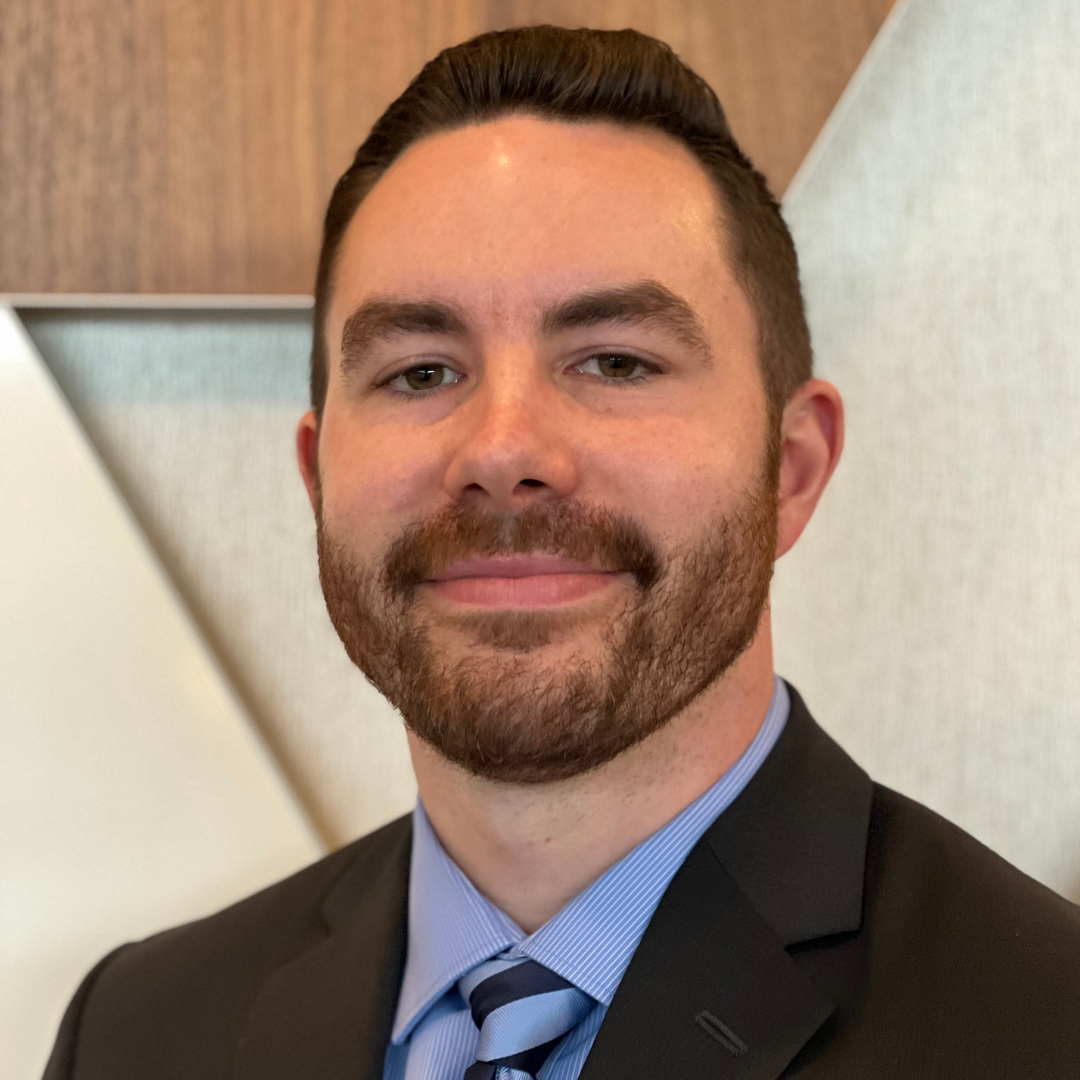

Bio: Eyal Frank is an Assistant Professor at the Harris School of Public Policy at the University of Chicago, an NBER Faculty Research Fellow, an CERP Research Affiliate, and an affiliated faculty at the Energy Policy Institute (EPIC) at the University of Chicago. His work studies questions as intersection of economics, ecology, and conservation policy, by drawing on natural experiments and using causal inference methods to advance our understanding regarding the social cost of biodiversity losses. Prior to the University of Chicago, he was a Postdoctoral Research Associate at the Public and International Affairs School at Princeton University. He received his Ph.D. in Sustainable Development from Columbia University, and earned his M.A. in Economics and B.Sc. in Environmental Sciences and Economics from the Hebrew University of Jerusalem.
Title: Toxins in wildlife: diagnosis, treatment, and One Health implications
Abstract: The quantity and diversity of toxins affecting wildlife has increased exponentially over the past few decades. These include not only biotoxins, but also endocrine disrupting chemicals, heavy metals, rodenticides, and pesticides. The industrial age introduced approximately 85,000 anthropogenic pollutants into earth’s environment. Globally, roughly 400 billion tons of chemicals are produced annually. Many of these are persistent and bioaccumulate. The growing awareness of the impact of toxins on the quality and quantity of human life is becoming more well-known (up to 300 man-made chemicals have been found in humans), but this is an area in wildlife health that needs greater attention. Pharmaceutical residuesare also of increasing concern in One Health agendas. These residues are biologically active, not easily biodegradable, and are usually not removed in wastewater plants and thus accumulate in surface and ground water supplies. There are currently 140 known endocrine disrupting chemicals (EDCs), but over 800 are suspected. Some examples of concern for domestic animals, wildlife, and humans include: Atrazine – This endocrine-disrupting chemical is one of the most commonly detected pesticides in U.S. waters. Atrazine induces feminization and demasculinizes male gonads producing testicular lesions associated with reduced germ cell numbers in teleost fish, amphibians, reptiles, and mammals. It has been shown to turn male frogs into females. Methylmercury – Methylmercury (MeHg) is the most biologically available and toxic form of mercury, and can act as a powerful teratogen, neurotoxin and endocrine disruptor in vertebrates. MeHg-exposed ibises have shown altered testosterone and estradiol levels in the field and laboratory, and breeding population size is inversely correlated with annual MeHg exposure in south Florida. It has been shown to result in altered courtship behavior in males, high levels of male–male pairing and reduced hatching success and poor parenting in pairs that did raise young.
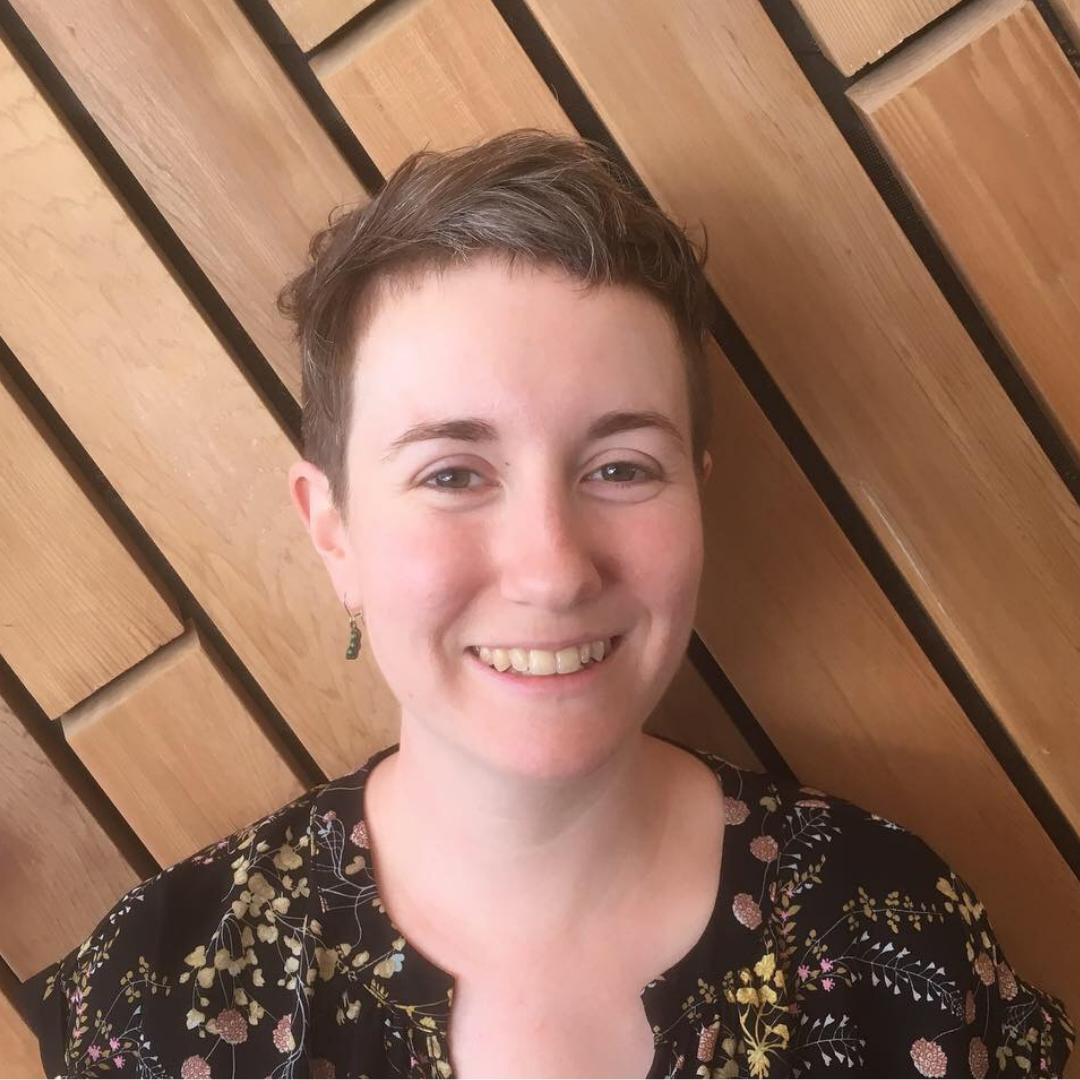
Bio: Heather holds a DVM, DABVP-Avian and a CertAqV and is currently the Chief Science Officer and Veterinarian at Loggerhead Marinelife Center, Juno Beach, Florida, USA. Her passionate advocacy for wildlife health began over 30 years ago with a residency in wildlife/special species medicine at the University of Georgia’s College of Veterinary Medicine, where she became a tenured Associate Professor. She gained international experience as Professor and Department Head of Clinical Medicine at St. Matthew’s University, School of Veterinary Medicine in the Cayman Islands, where she was also the veterinarian for the Cayman Turtle Farm and Cayman Wildlife Rescue for five years. Returning to the US, Heather was the Medical & Research Director at the Clinic for the Rehabilitation of Wildlife (CROW) in Florida for a decade before taking up her current position at the Loggerhead Marinelife Center. She has been President of the Association of Avian Veterinarians, Associate editor for the Journal of Avian Medicine and Surgery, a member of the AVMA House of Delegates, and Exam Chair for the American Board of Veterinary Practitioners. She is currently Chair of the WDA’s Wildlife Veterinary Section.
Her research interests focus on the intersection of wildlife, human and environmental health with numerous publications in this field.
Title: From Cryptic to Contextualized: Trichinella chanchalensis and Other Trichinella Species in Northern Wildlife
Abstract: Trichinella chanchalensis (T13) is the most recently described member of the Trichinella genus, originally identified in wolverines and an American marten from the Northwest Territories and the Yukon. Traditional diagnostics cannot distinguish T13 from T. nativa, leaving its host associations, distribution, and evolutionary context poorly understood. Phylogenomic analyses indicate that T13 is deeply divergent from T. nativa and T6 and more closely related to the South American T. patagoniensis, suggesting an ancient lineage and potentially earlier entry into the Americas than other northern encapsulated Trichinella spp.
To clarify the ecology of this species, larvae were recovered from carnivores across Alaska, the Yukon, Northwest Territories, and Nunavut and genotyped using deep‑amplicon next‑generation sequencing. Trichinella spp. were highly prevalent in Nunavut (82%), the Yukon (74%), and NT (70%), with lower prevalence in Alaska (34%). Mixed infections with T. nativa and T6 dominated across regions. T13 occurred almost exclusively within co‑infections and was detected in the Yukon (19%), Nunavut (18%), NT (4%), and Alaska (0.6%). Expanded testing revealed new host records in lynx, wolves, and a coyote, as well as new geographic detections in Nunavut and Alaska. A lower prevalence in Alaska and the Northwest Territories, contrasted with higher prevalence in the Yukon and Nunavut, this may be consistentwith a post‑glacial dispersal history involving persistence in refugia, early movement into the Yukon via the Ice‑Free Corridor, and later expansion into Nunavut.
Metabarcoding enabled high‑resolution detection of T13 within co‑infected wildlife, which in turn allowed experimental infections demonstrating that previously frozen larvae remain viable, confirming freeze tolerance. However, establishment in mice was poor, required immunosuppression, and could not be maintained through serial passages, suggesting stronger adaptation to wildlife hosts.
Together, these findings illuminate the evolutionary history, host ecology, and northern distribution of T13, while highlighting the value of genomic tools for resolving co‑infections, monitoring species dynamics, and assessing food‑safety risks for northern communities.
Bio: Cody Malone recently completed his PhD in Veterinary Microbiology at the University of Saskatchewan under the supervision of Dr. Emily Jenkins. His doctoral research mapped the geographic distribution and host range of Trichinella chanchalensis across northern North America, using novel molecular and diagnostic tools to clarify the ecology of this newly described species. His work provides essential data for understanding foodborne parasite risks and supports public health and food safety in northern communities.
Cody is now a Postdoctoral Researcher at the University of Calgary in Dr. John Gilleard’s lab, where he continues to investigate Arctic parasites and their implications for wildlife health, ecosystem change, and northern food security. His research integrates field surveillance with genomic approaches to better characterize parasite diversity in northern ungulates. Cody is committed to collaborative, community‑engaged science that strengthens wildlife management and supports the health and resilience of northern ecosystems.
Title: The Urban Coyote Research Project: 25 years of monitoring human-coyote coexistence within the Chicago Metropolitan Area
Bio: Dr. Stan Gehrt is Professor of Wildlife Ecology at The Ohio State University, and previously Director of Wildlife Research at the Max McGraw Wildlife Foundation, from which he has based much of his research in the Chicago area. He holds a BA from Bethany College (KS), MS in Biology from Emporia State University, and received a PhD in Fisheries and Wildlife from the University of Missouri-Columbia. His research program has focused on the ecology of mammals in a variety of systems, with a special emphasis on aspects of their urban ecology and human-wildlife relationships. In addition to over 100 scientific publications, his research has been featured in numerous print, radio, and television outlets. Dr. Gehrt is the senior editor of the volume ‘Urban Carnivores’, published by Johns Hopkins University Press, and author of ‘Coyotes Among Us,’ published by Flashpoint Press.
Title: One Health for All: Social inequality helps us understand the drivers of wildlife health and consequences for human well-being
Bio: Dr. Maureen Murray is the Assistant Director of One Health at Lincoln Park Zoo’s Urban Wildlife Institute in Chicago. Before joining Lincoln Park Zoo in 2017, Dr. Murray received her PhD at the University of Alberta, focusing on urban coyote health and conflict, and completed a postdoctoral position at the University of Georgia, focusing on the disease ecology of urban white ibises. Her research focuses on how urbanization affects the health of wildlife, people, and ecosystems in the context of human-wildlife interactions. Her goal is to use interdisciplinary applied research to engage with the public and inform policy to reduce negative human-wildlife interactions and support urban biodiversity while protecting public health.